
M.A.P. stands for Modified Atmosphere Packaging, and is also known as gas flushing, protective atmosphere packaging or modified oxygen packaging.
MAP is a technology that was developed to maintain the freshness and attractiveness of packaged products for the duration of their projected shelf life by modifying the gas surrounding the packaged good. Modifying the ambient atmosphere of packaged foods can improve visual, textural and nutritional appeal, and is considered minimal processing compared to the application of chemicals, preservatives or stabilizers to a food product. MAP is also used to preserve the quality of pharmaceutical and medical device products.
MAP is typically created by blending gases of oxygen, carbon dioxide and nitrogen together, and then packing the food/healthcare product into a hermetically sealed package surrounded by this gas mixture. Controlling the composition of this gaseous mixture helps to meet the specific respiration needs for each packaged product, minimizes on product degradation and helps to preserve and extend the packaged product’s “best if used by” date.
Today MAP technology is used largely for packaged foods like cheese, cured meats, breads and pastas, and healthcare products like surgical implants and pharmaceutical blister packs.
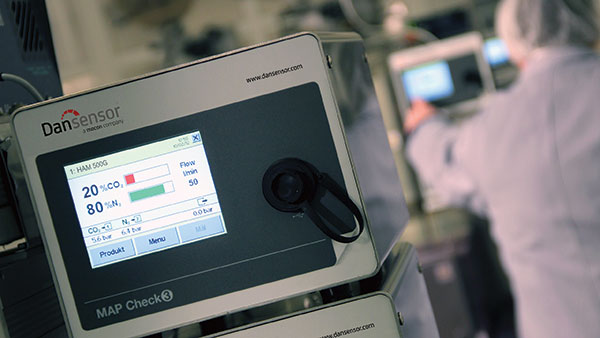
Why should I monitor & control my MAP processes?
While MAP technology is key to protecting the quality of food and healthcare products, the MAP gas surrounding products is only as good as the package’s integrity and the accuracy of the MAP gas composition used. If the MAP package loses its hermetic seal, either through a leak or faulty package design, oxygen and moisture can enter into the package and degrade the product. If the MAP gas concentration is not optimal for the specific product, the product can also still degrade. Therefore, controlling the gas mixture, monitoring the MAP gas composition and routinely checking for leaks of MAP products is key to ensuring MAP products arrive to end users as intended.
To learn more details about MAP, please click the following links:
Browse our range of products that offer you complete MAP quality control: