When Packaging Quality Can Be Life and Death
With approximately two million unique products on the market today, the medical device industry is one of the largest and most complex in the world. Much attention is paid to the latest breakthroughs in device technology, from pacemakers to home biometric screening. But perhaps more attention should be paid to the logistical complexities of ensuring these devices are packaged properly to maintain their efficacy.
Globally, medical device packaging is a $30 billion industry expected to nearly double in the next decade. The requirements for medical device packaging are stringent and often highly regulated. Not only must the package contain and protect the device from damage, but it must often be permeable to a specific sterilization method while being impermeable to microscopic organisms that would compromise that sterility.
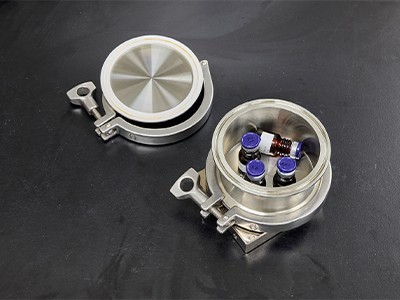
AMETEK MOCON plays a key role in the medical device packaging process, ensuring all packaging requirements are met. The environment must remain within certain specifications to maintain product integrity (for example, elevation changes while shipping over mountain ranges).
Permeation Testing
Any packaging that requires a constant, controlled environment to keep gases in (or out) must be tested to determine the rate at which these gases permeate the packaging material. The two major contributors to product degradation are oxygen and moisture. Knowing how much water vapor or oxygen will pass through the packaging during a given time period is critical to ensuring that the efficacy of the medical device is maintained throughout the product's lifecycle.
As the pioneer of automated permeation, AMETEK MOCON makes the most sensitive, reliable and robust permeation testing instruments on the market. With an ultra-low detection threshold, companies using our testing instruments know they’ll catch even trace amounts of gas transmissions.
Integrity Testing
Companies use a variety of test methods to measure the integrity of the seals and materials because packaging is ineffective if there are holes or leaks. Testing can be performed as routine quality control within the production process or conducted after simulated shipping and storage that induce wear-and-tear stress on a package.
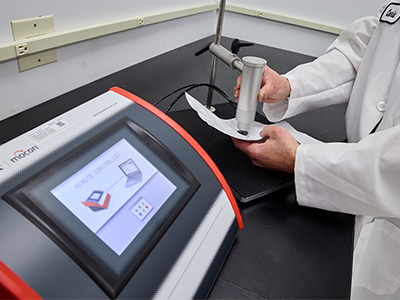
Package integrity testing is key to ensuring a package does its job and AMETEK MOCON has several integrity-testing solutions:
Seal Verification
The first line of defense against compromised package integrity is seal verification. Any time one part of a package is sealed to another (including closures, pouches and trays), there's a chance that the seal will fail, either during the packaging process or in transit. One method involves ASTM F2054 (restrained burst) and ASTM F1140 (unrestrained burst) testing techniques that inflate the package to progressively higher pressures until the seal ruptures.
This provides the burst strength of the package, which determines if the package is strong enough to protect the medical device properly. This testing demonstrates weak areas of the package and initial seal performance. It can also simulate pressures a package may encounter during shipping and distribution.
Pressure Decay Testing
ASTM F2095 is a test in which the package is pressurized and then monitored for pressure loss over time. The pressure loss indicates leakage out of the package. This test is quite sensitive and can detect holes as small as 15µm.
Bubble Emission Testing
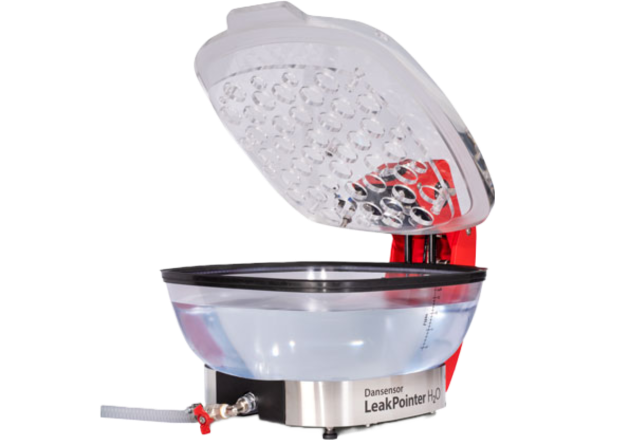
ATSM D3078 places filled packages in water within a vacuum chamber. As pressure is released from the chamber, the package inflates, revealing any leaks in the form of bubbles.
Bubble Leak Testing
ASTM F2096 is like bubble emission testing except that after the package is placed in water, a needle is inserted into the package itself, which is then pressurized. As with bubble emission testing, bubbles indicate leaks, but bubble leak testing can detect leaks as small as 100µm, the diameter of a human hair.
Headspace Testing
Headspace Testing examines the composition of gases within a package. Many medical devices require a specific gas composition, such as replacing oxygen with nitrogen, to prevent product degradation. Headspace testing measures the modified atmosphere within the package to verify that the correct gas mix has been achieved and is maintained over time while the product is in transit and awaiting use.
Laboratory Services
All these tests can be performed within our contract testing laboratory. AMETEK MOCON's ISO 17025-accredited permeation testing lab is the largest in the world, staffed by highly skilled scientists with decades of experience employing established packaging testing methods and who regularly develop test methods for new packaging designs.
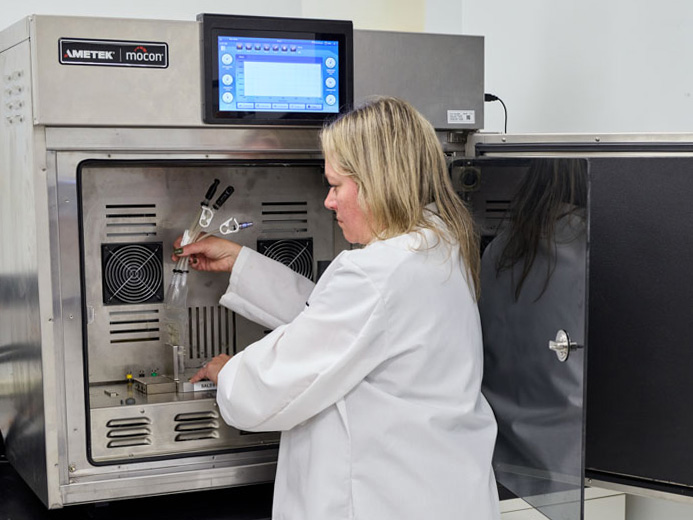
Whether you're using our equipment in your testing facilities or our lab, AMETEK MOCON can be your trusted partner in ensuring your packaging needs are met.