Packaging performance directly governs both shelf-life and use-life in food, medical, pharmaceutical, and electronics applications, where it must preserve flavor, maintain sterility, ensure stability and protect functional integrity. Oxygen ingress can degrade nutrients and drugs, moisture can compromise device sterility or damage electronics, and gas loss can alter performance in modified atmosphere packaging. In each case, real-world package performance directly impacts product quality and reliability.
Much of packaging development still relies on flat film testing alone. While these measurements are essential, they often fail to capture what happens once a material is converted into a finished package. Seals, folds, closures, processing, and distribution can introduce weak points that significantly increase permeation.
This white paper explores why whole package testing is critical for accurately predicting both shelf-life and use-life. Through real-world case studies, it demonstrates how finished packages can behave very differently than predicted, and why understanding these differences is key to avoiding risk and optimizing packaging design.
Read the full white paper to learn how to align packaging performance with real-world conditions.

Easy, Fast, Repeatable: The Next Frontier of Flexible Pouch Testing
Flexible pouches have become a leading packaging format across industries such as food, pharmaceuticals and personal care due to their ability to provide strong barrier protection while reducing weight and transportation costs compared to rigid alternatives. With increasing demand for sustainability, coated monolayers and paper-based pouch structures are gaining adoption. These newer materials require highly accurate permeation testing to ensure they can effectively replace traditional multilayer barriers.
Historically, test preparation using epoxy to seal copper tubing into pouches has been inconsistent and highly operator dependent. This issue is amplified in paper-based pouches, where epoxy tends to wick into the porous paper, not sealing hermetically. This allows an unimpeded pathway for permeants beneath the seal, resulting in leakage and artificially elevated permeation measurements.
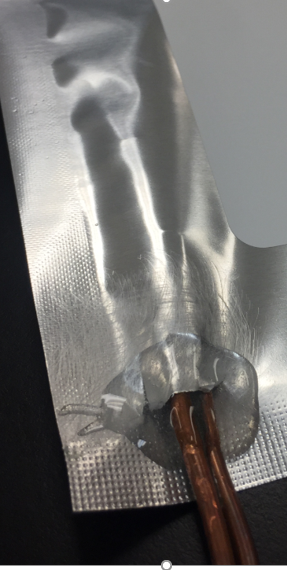

A repeatable compression seal offers a superior solution. The Flexible Pouch Cartridge provides a consistent hermetic mechanical seal on any pouch structure. This approach ensures reliable, leak-free performance, improves reproducibility and simplifies sample preparation. This innovative cartridge is now available for legacy instruments, enabling users to upgrade accuracy and consistency without replacing existing systems.
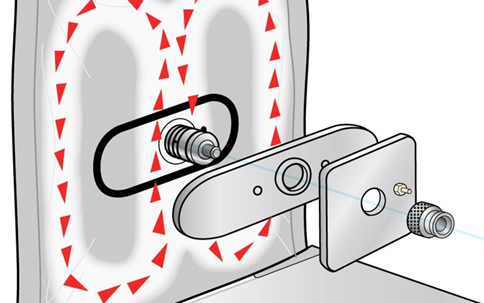

To learn more, download the Flexible Pouch Brochure.

Capture Vessel Cartridges: Driving Efficiency & Reproducibility in Healthcare Permeation Testing
Accurate permeation testing is essential for maintaining the integrity, safety and shelf life of healthcare products, including medical devices, drug delivery systems, and protective packaging. By measuring the transmission of oxygen, water vapor, carbon dioxide, and other contaminants, manufacturers can ensure sterility, product efficacy, and regulatory compliance. Both ingress and egress analyses are critical, as the movement of gases or moisture into or out of a system can significantly affect product stability over time.
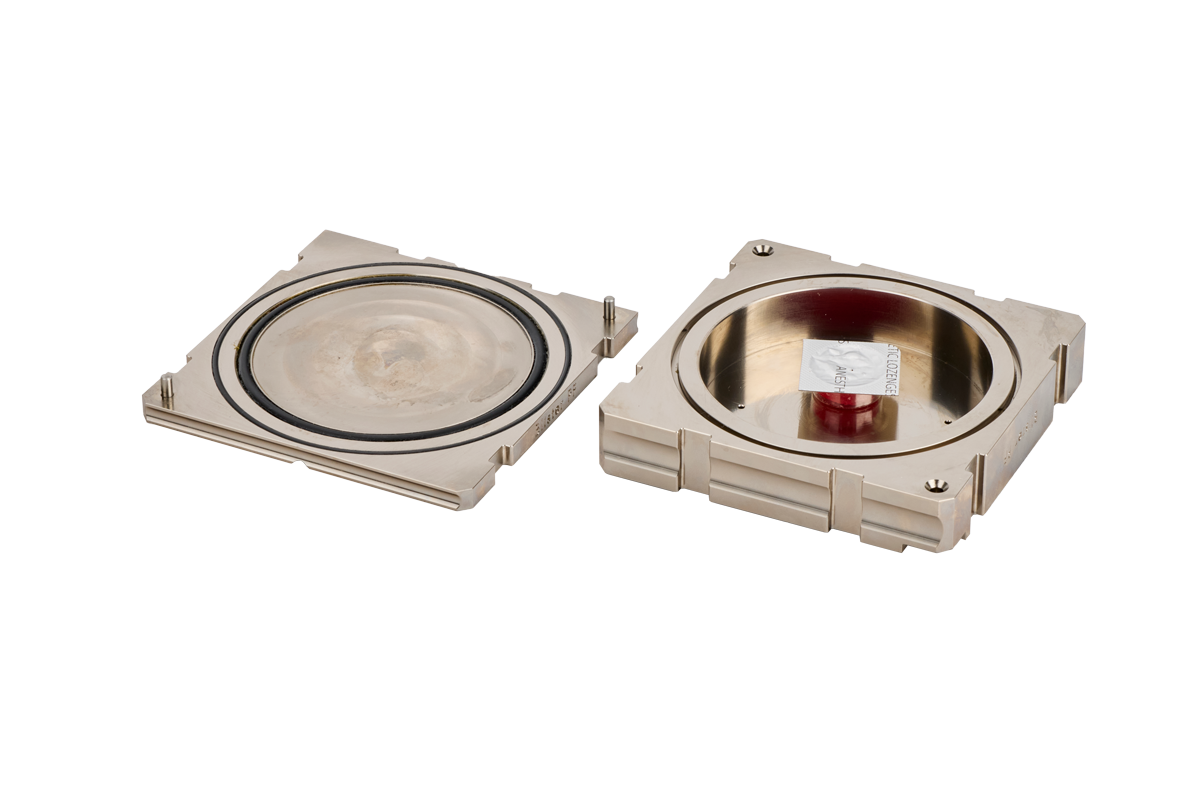
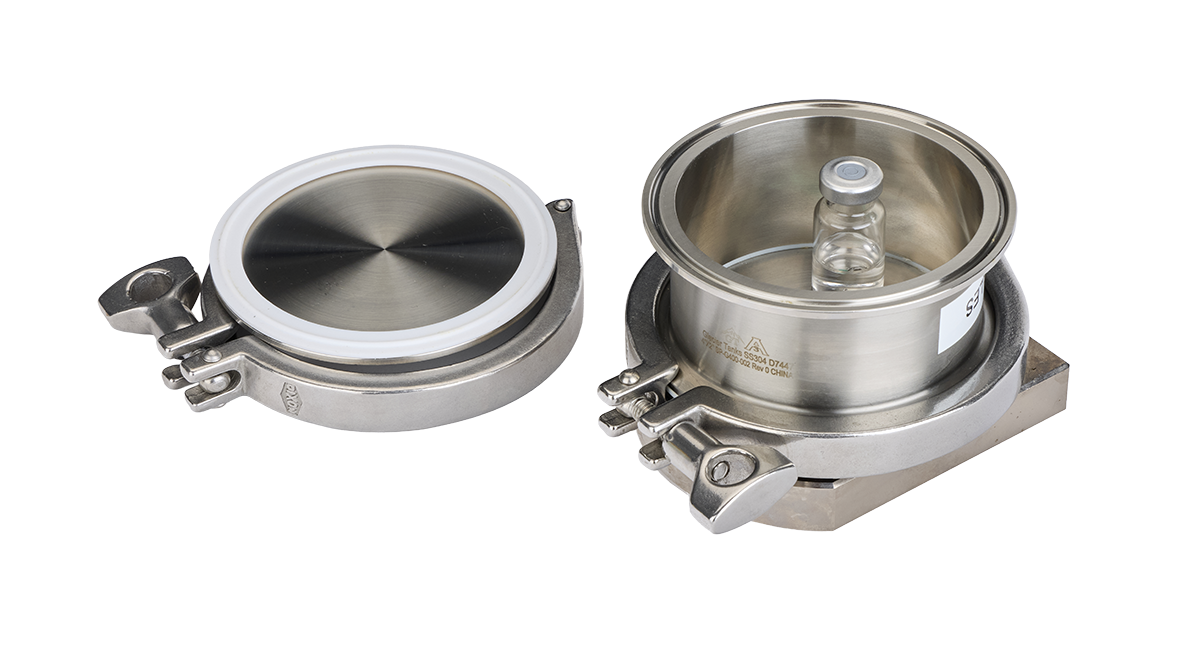
Capture vessel egress testing offers a more application-focused approach by evaluating barrier performance under real-world conditions. For example, placing a filled, factory-sealed syringe inside an impermeable vessel and purging the space with a carrier gas allows direct measurement of moisture loss through the entire packaging system. This non-destructive technique eliminates operator bias and improves data reliability by using the product’s own moisture as the permeant.
Advanced test cartridges further enhance permeation testing by simplifying sample preparation and improving accuracy and consistency. These systems enable faster, repeatable testing directly from manufacturing lines. Solutions such as blister cartridges and capture vessels support efficient evaluation of syringes, saline bags, and similar systems. In addition, the ability to test multiple samples simultaneously within a capture vessel significantly improves overall measurement sensitivity.
This capability is particularly valuable for small blister cavities with thick packaging and limited surface area, where the individual water vapor transmission rate is very low. By aggregating multiple samples into a single measurement, results can be normalized on a per-blister basis, providing improved detection sensitivity and greater confidence with low-level transmission rate measurements.
Overall, cartridge-based egress testing increases efficiency, reduces variability, and enables faster product validation while minimizing recall risks./p>
For more information, download the Package Test Cartridges: Healthcare Applications Brochure below.

Recently published resources:
Advanced Permeation Applications Training: Customized Course for Best Practices
CO2 Transmission Rate Test Methods: Benefits for Your Application
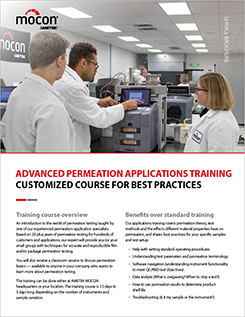

Want to learn more? Uncover a wealth of knowledge on similar topics and industries in our Resource Library.
Upcoming Events
We are excited to announce our attendance at multiple trade shows and conferences worldwide as this year's trade show season continues! Please see the schedule information below to check if we are located near you!
-
Location: Birmingham, UK
- Days: Sept. 16-17, 2026
- Booth Number: AQE-K24
-
Location: Chicago
- Days: Oct. 18- 21, 2026
- Booth Number: S-4036
- June 23, 2026
- Sept. 15, 2026, TBD
Follow us on LinkedIn or visit our events page to be the first to know about upcoming industry events and opportunities to learn more about our solutions.